


Opportunities, Advantages, and Challenges of Cultivating Fruits and Vegetables on 40–60% Green Areas within the Green City Concept
🌍 Introduction: A new harmony between city and nature
Today, the “Green City” concept represents more than just parks and trees — it is a self-sufficient, ecologically sustainable urban model.
Allocating 40–60% of urban land to green zones for fruit, vegetable, and medicinal plant cultivation is becoming a key focus for future cities.
The goal: to enhance urban ecology, strengthen food security, and improve quality of life.
---
🧩 1. New opportunities for urban management
🏙️ a) Local food supply system
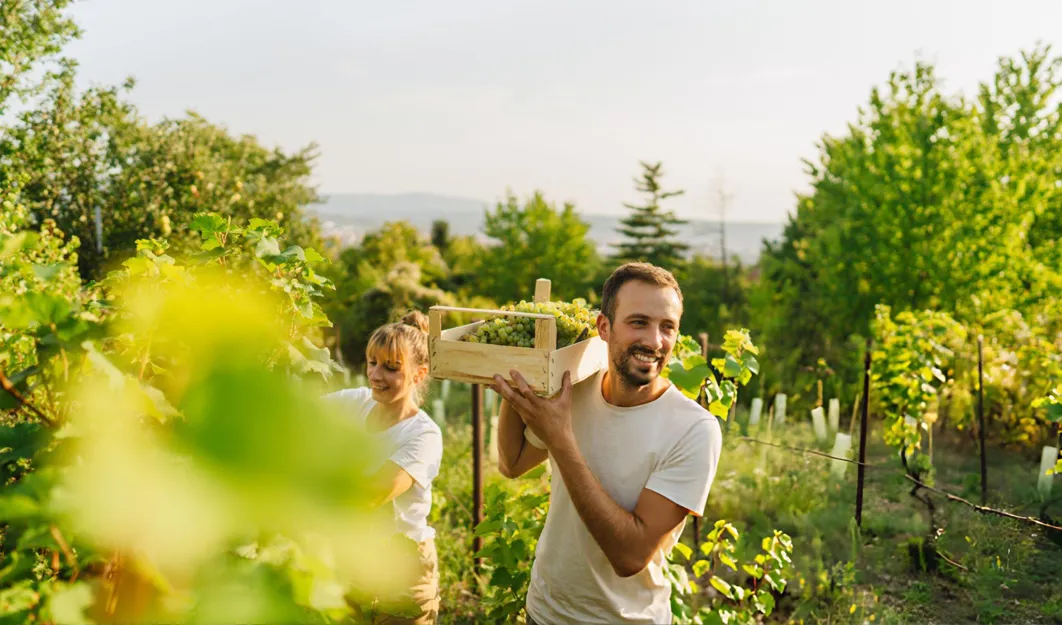
Urban farms and vertical greenhouses boost local production,
reducing transportation needs, logistics costs, and emissions.
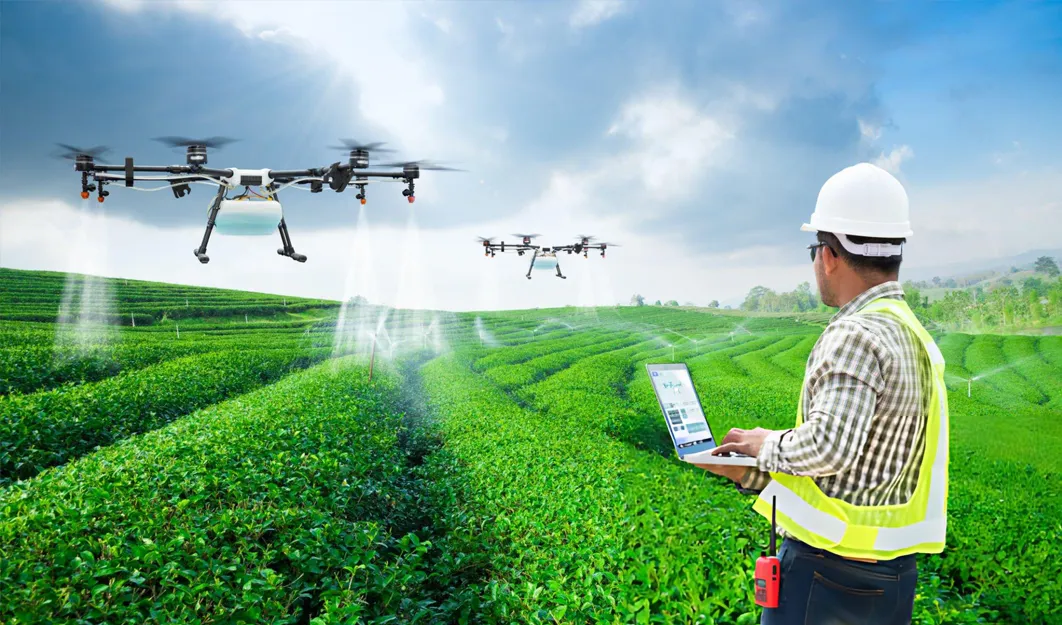
🛰️ b) Integration of smart management systems
Green areas are monitored with IoT-based irrigation, climate, and harvest control sensors —
enabling efficient use of resources and reducing water and energy waste.
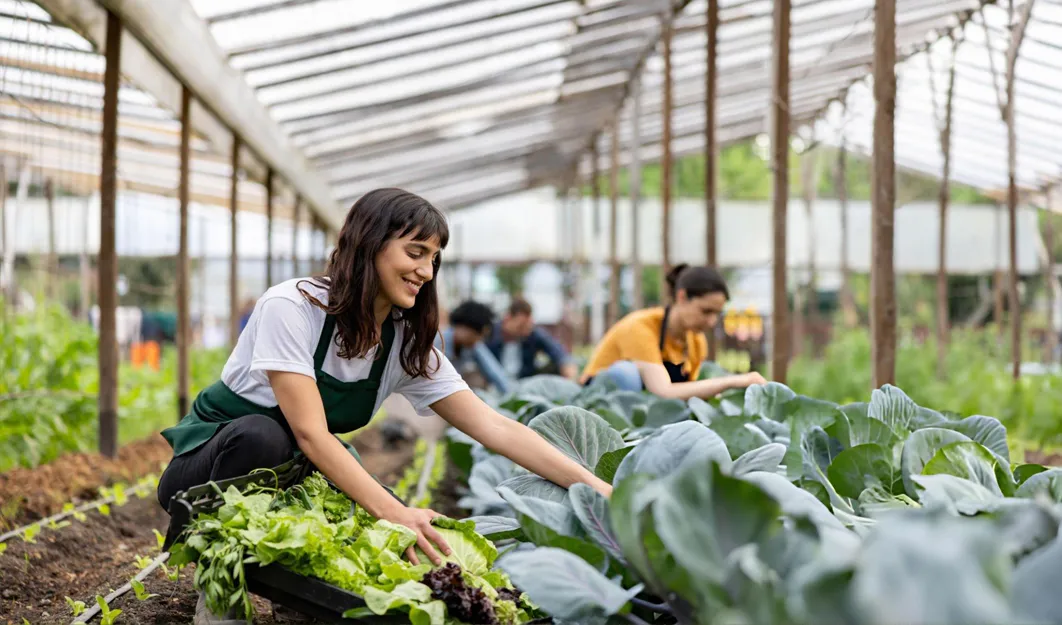
👩🌾 c) Citizen participation in the green economy
Community involvement:
creates jobs,
builds ecological responsibility,
turns cities into living ecosystems.
In Japan, over 30% of urban residents take part in “Community Garden” initiatives.
---
🍎 2. Economic and ecological advantages
💰 a) Food independence and price stability
Local yields reduce import dependency and stabilize prices.
In the Netherlands, vertical farming produces up to 8 times more yield per hectare.
🌿 b) Environmental benefits
Each hectare of green space absorbs up to 20 tons of CO₂ annually,
lowers urban heat by 2–3°C,
and reduces air pollution by up to 20%.
⚡️ c) Circular resource systems
Organic waste is converted into fertilizer,
water is recycled — achieving a “zero waste” urban cycle.
---
🌾 3. Social opportunities
🤝 a) Environmental education
School gardens and community farms cultivate ecological awareness among youth.
👨👩👧 b) Social cohesion
Green neighborhoods strengthen community ties and cooperation.
💚 c) Healthy lifestyle
Natural produce, clean air, and active outdoor life
enhance public health and reduce medical costs.
---
⚖️ 4. Challenges
🌦️ a) Climate dependency
Stable yields require technological greenhouses — needing large upfront investments.
💧 b) Pressure on water resources
Without proper management, water use may rise;
closed-loop irrigation and rainwater harvesting are essential.
🧱 c) Urban planning balance
Designating 40–60% of urban space for agriculture requires
a well-integrated master plan with housing, transport, and industry.
---
🌏 5. Conclusion: The self-sustaining ecosystem of the future
Integrating fruit and vegetable cultivation into city planning
represents a new urban revolution — creating cities that are:
- food-secure,
- ecologically resilient,
- socially unified, and economically sustainable.
Thus, the 40–60% green zone in the Green City concept
is not just a decorative landscape — it is the living heart of the smart city of the future.